



patient lift
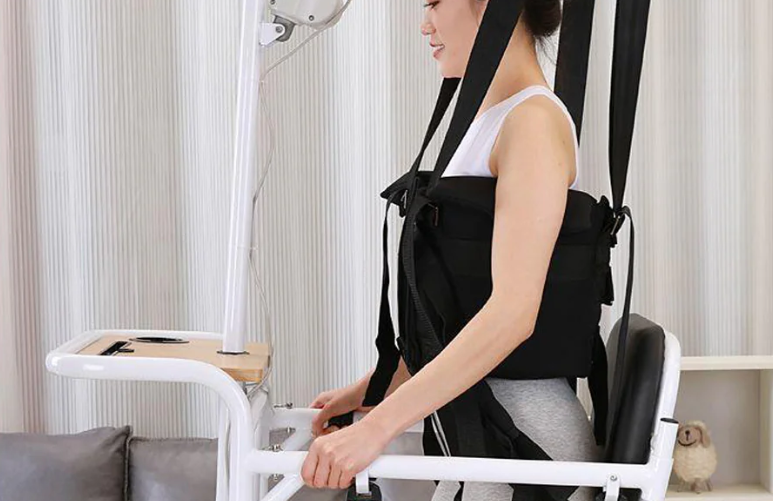
Patient Lift: Safe Transfers, From "Can't Lift" to "Steady Support"
When caring for a family member who cannot move independently due to illness, old age, or post-operative recovery, the most anxiety-inducing and powerless moments are often not daily care tasks like feeding or bathing, but the necessary "transfer" actions—from bed to wheelchair, from wheelchair to toilet, or from the floor back to bed. Each movement feels like an adventure: a moment's inattention could strain the caregiver's back, while the care recipient might be injured by slipping or dragging, potentially causing serious consequences such as skin damage or fractures.
At such times, a Patient Lift often becomes a "key turning point" in family caregiving.
What is a Patient Lift?
A Patient Lift is an assistive device specifically designed for safely moving individuals who cannot bear weight or have limited mobility. Using a stable frame, lifting mechanism, and specialized sling, it smoothly hoists and moves a person from one position to another without requiring manual lifting.
There are two main types based on power source:
Manual Lifts: Operated via a hydraulic hand pump, they rise slowly with the press of a handle, requiring no electricity and featuring a simple, reliable structure.
Electric Lifts: Controlled with a single button for lifting and lowering, they are more labor-saving and suitable for frequent use or when the caregiver has limited physical strength.
Regardless of type, the core goal is the same: to replace manual labor with machinery, making transfers safer, more dignified, and more sustainable.
Why is it Essential for Family Caregiving?
✅ Protects Caregiver HealthStatistics show that over 60% of family caregivers have experienced lumbar strain, herniated discs, or other issues from lifting. Lifts completely eliminate the need to "bend and strain," ensuring caregiving no longer comes at the cost of health.
✅ Ensures Care Recipient SafetySmooth lifting reduces slipping, friction, and sudden impacts, effectively preventing falls, pressure sores, and joint injuries—especially beneficial for elderly individuals with fragile skin or those bedridden long-term.
✅ Maintains Dignity and ComfortBeing gently lifted, rather than dragged or forced to support oneself, makes the entire process more dignified and less embarrassing, with positive effects on mental well-being.
✅ Improves Caregiving EfficiencyWith practice, a transfer can be completed in minutes—more efficient than multi-person coordination and ideal for single-caregiver households.
How to Choose the Right Patient Lift?
First, clarify the usage scenarios:
For home use primarily between bed ↔ wheelchair ↔ bathroom with limited space, choose a model with a narrow base and flexible turning radius.
For frequent outings (e.g., medical appointments, travel), a foldable, lightweight manual lift is more practical.
For multiple daily transfers or if the caregiver is elderly/physically weak, an electric lift will be easier to use.
Second, focus on these key parameters:
Maximum Weight Capacity: Must match the user's weight; mainstream models support 136–272 kg (300–600 lbs).
Sling Type: Different uses require different slings—full-body, toileting-specific, bathing-specific, etc.—always use the appropriate type.
Base Width: Should slide easily under beds or toilets.
Operational Ease: Are the control handle or buttons comfortable to use? Is lifting/lowering smooth and quiet?
It is recommended to consult at professional medical equipment stores or rehabilitation aid centers, and whenever possible, have the user test the sling and simulate the transfer process.
Usage Tips: Safety Always Comes First
Inspect the equipment's screws, sling wear, and hydraulic/motor status before each use.
Ensure the surrounding area is clear of obstacles and the floor is dry and non-slip during transfers.
Move slowly and steadily—never release the controls too quickly, especially during descent.
For heavier users or complex situations, two-person assistance is recommended.
Regularly clean the sling and equipment to maintain hygiene and functionality.
It's More Than a Tool; It's an Extension of Love
Many people initially resist using lifts, finding them "too cold" or "like handling cargo." But after actually using one, they discover: scientific caregiving is the deepest form of tenderness. It saves the care recipient from pain and embarrassment, and frees the caregiver from struggling between "doing everything possible" and "being overwhelmed."
A Patient Lift, though silent, steadily supports your loved one—and your own physical and mental well-being and hope—during every lift.
Conclusion
The caregiving journey is not easy, but you don't have to bear all the weight alone. Whether manual or electric, a lift is not a "last resort," but the beginning of smart caregiving.
If you are struggling with safe transfer issues, consider learning more about this assistive device that has transformed countless family lives. Sometimes, true care is found in a smooth, quiet, and dignified lift.